

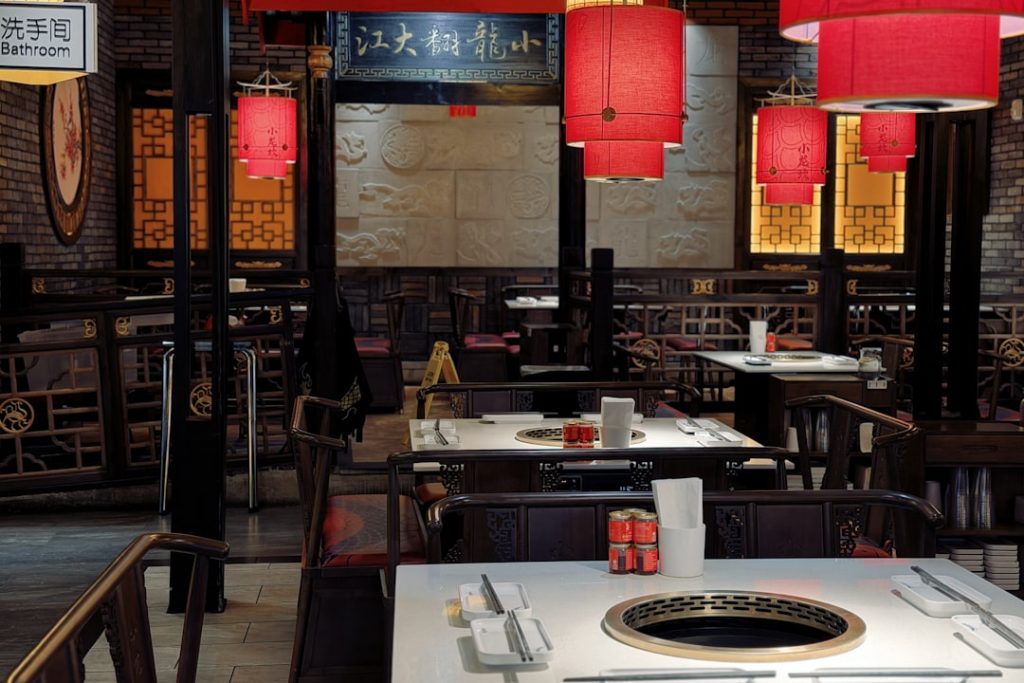
Most Jamaican restaurants I visit have wonderful food, friendly service, and a website that actively loses them customers. The photos are dark or missing. The menu is a PDF from 2019. There is no phone number on the home page. Reservations go through a Facebook message that the owner sees two days later. And online ordering, when it exists at all, is handled by a single WhatsApp number that nobody answers during lunch rush.
The food is not the problem. The website is. In 2026, diners in Jamaica and visiting tourists research restaurants online before they ever step through the door. If what they find is confusing, outdated, or slow, they pick somewhere else. This guide walks through what a proper restaurant website should do for a Jamaican operation in 2026, which features actually drive more customers, and where to focus if you only have the time or budget to get a few things right.
Why your restaurant website matters more than it used to
Research from global hospitality studies consistently puts the percentage of diners who check a restaurant’s online presence before deciding where to eat above 80 percent. In Jamaica, where smartphone penetration sits above 89 percent and tourists account for a big share of restaurant spending, that number is probably even higher. If your site does not load quickly, show your menu clearly, and make it obvious how to book or order, most of those researchers become someone else’s customer.
And it is not just about first time visits. Repeat customers use your website to check opening hours, see what is new, and share your link with friends. Every time one of them can find what they need in five seconds, your reputation quietly improves. Every time they give up and message you on Instagram instead, you have a small service interaction you could have avoided entirely.
The seven things every Jamaican restaurant website needs
Forget the bells and whistles for a moment. These are the non negotiable pieces.
1. A beautiful, current menu
Your menu is the single most important thing on your website. More people look at it than any other page, by a huge margin. It should be:
- Easy to read on a phone without pinching or zooming
- Organized by clear sections (starters, mains, sides, drinks, desserts)
- Priced in Jamaican dollars (and optionally USD for tourist facing restaurants)
- Updated whenever anything changes
- Available as actual web text, not a low resolution scanned PDF
- Ideally supported by real photos of at least your bestselling dishes
A scanned PDF menu is the single most common mistake I see on Jamaican restaurant websites. Google cannot read the text in it. Visitors cannot easily search it. On phones it often loads in a separate browser tab and looks tiny. Replace it with a proper web menu this month if nothing else.
2. Real, well lit food photos
Photos increase conversion. Restaurants with strong photos of their dishes consistently see higher order values and more bookings than those that rely on stock images or no images at all. You do not need a professional food photographer. You need daylight, a clean background, a plate that was just prepared, and a phone with a recent camera. Ten good photos beat fifty mediocre ones.
If you sell to tourists, include a photo for your signature Jamaican dishes (jerk chicken, curry goat, ackee and saltfish, rundown, pepperpot soup, oxtail). International visitors often have never seen these dishes before and the photo is sometimes what makes them try.
3. Opening hours and holiday updates
Your hours should appear on the home page, at the top, visible without any scrolling. Include holiday exceptions. A tourist who drives 45 minutes to your restaurant on Heroes Day only to find you closed is not coming back.
Connect your website hours to your Google Business Profile hours. The two should always match. If they disagree, Google sometimes shows the wrong one, and customers get angry at you for a mistake that was not yours.
4. Location, directions, and a map
Embed a Google Map on your contact page showing exactly where you are. Include the full address, a click to call phone number, and if you are in a complicated location, add short directions like “two doors down from the gas station” or “behind the plaza, look for the red gate”. Jamaican addresses are often imprecise, and the extra context saves customers from frustration.
For restaurants with limited parking, mention parking options. For those in tourist areas, a note about drop off points or the nearest taxi stand goes a long way.
5. Online ordering or a clear path to order
If you take orders for delivery or pickup, make that obvious and easy. You have several options in Jamaica in 2026:
- Your own ordering system built into the website, usually through a plugin like WPPizza, Restaurant Menu by MotoPress, or a full ecommerce setup with WooCommerce
- Local marketplaces like QuickCart (formerly QuickPlate), which partners with over 200 restaurants across Kingston, Portmore, Montego Bay, and Ocho Rios
- Uber Eats, which launched in Jamaica and now operates across multiple cities
- WhatsApp ordering with a click to chat button that prefills an order request message
The right answer depends on your volume and your margin. Marketplaces take a significant commission (often 20 to 30 percent) but bring in discovery traffic you would struggle to reach on your own. Your own ordering system keeps all the revenue but requires you to bring the traffic. Most successful Jamaican restaurants use a combination: their own site for regular customers who already know them, plus a marketplace presence for discovery.
Whatever you pick, make sure the path from “I am hungry” to “my order is placed” takes three taps or fewer. Extra friction loses orders.
6. Reservations that actually work
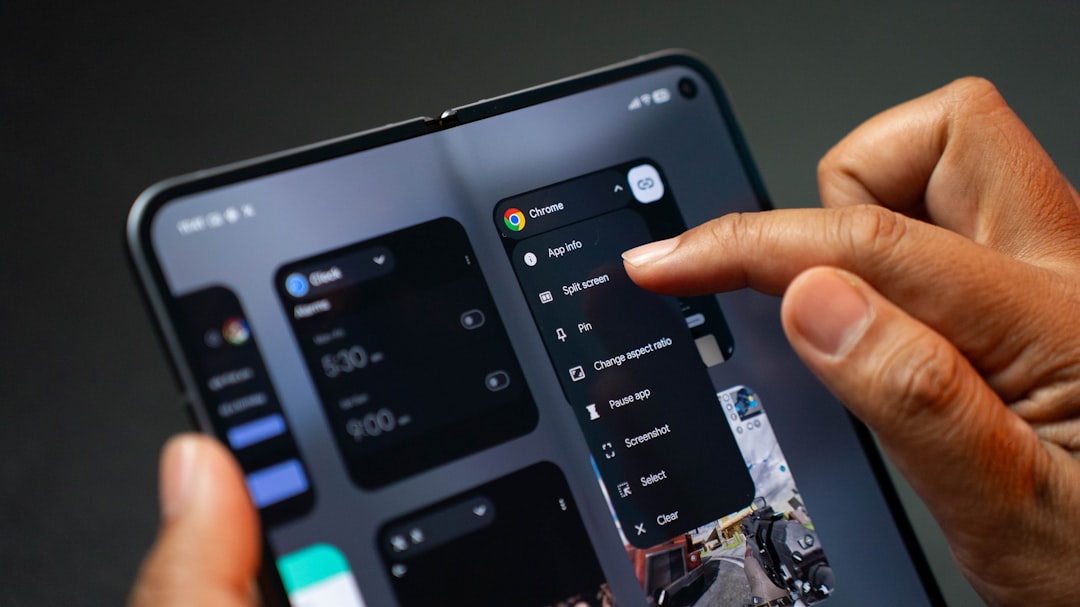
If you take reservations, build them into the site. Options range from simple contact forms that send an email, to proper booking systems like OpenTable, Resy, Tock, or SimplyBook.me that manage availability automatically.
For most Jamaican restaurants, a proper booking system is overkill in the first year or two. A well designed contact form with the right fields (date, time, party size, contact number, special requests) feeds into a WhatsApp conversation that a staff member confirms within a reasonable window. As volume grows, you can upgrade to a real booking calendar.
The critical thing is that you actually respond. A reservation request that sits unread for two days is worse than no reservation system at all, because the customer feels ignored and writes a bad review.
7. A single, memorable phone number that rings to a human
This one matters more than it sounds. Every Jamaican restaurant website should have a phone number at the top of every page that rings to an actual human during service hours. Not voicemail. Not an auto attendant. A real person picking up the phone, ready to take a booking or answer a question about the menu. It sounds old fashioned. It still wins you customers in Jamaica.
Pair the phone number with a WhatsApp click to chat link as a backup for customers who prefer messaging. Those two channels cover almost all incoming enquiries.
Things you should not bother with
A few features that sound nice but rarely matter:
- Autoplaying background videos. They kill page speed on mobile and annoy people in quiet offices.
- Animated splash pages. Every second of delay loses customers.
- Long “about our culinary philosophy” sections. Nobody reads them. Cut to the menu.
- A blog nobody updates. An empty blog is worse than no blog. If you cannot commit to monthly posts, skip it.
- Excessive music players. Just no.
SEO for Jamaican restaurant websites
Everything in our local SEO guide for Jamaica applies, but restaurants have some specific opportunities.
Your Google Business Profile matters even more for restaurants than for most other businesses, because food is the category where people rely most heavily on the Map Pack. Complete every field, upload twenty or more photos of your actual food and your actual space, keep your hours updated, and respond to every review. Food photos on Google get disproportionate engagement, so upload new ones every couple of weeks.
On the website itself, include your city or parish in key places (page titles, headings, the footer). Target searches like “jerk chicken Kingston”, “brunch Montego Bay”, “vegan restaurant Ocho Rios”, or whatever specific terms match your offering. Write at least two or three blog posts that answer questions your customers actually ask. “What is ackee and saltfish” or “best things to eat in Port Antonio” are the kind of posts that bring in tourists searching before they arrive.
Mobile first, always
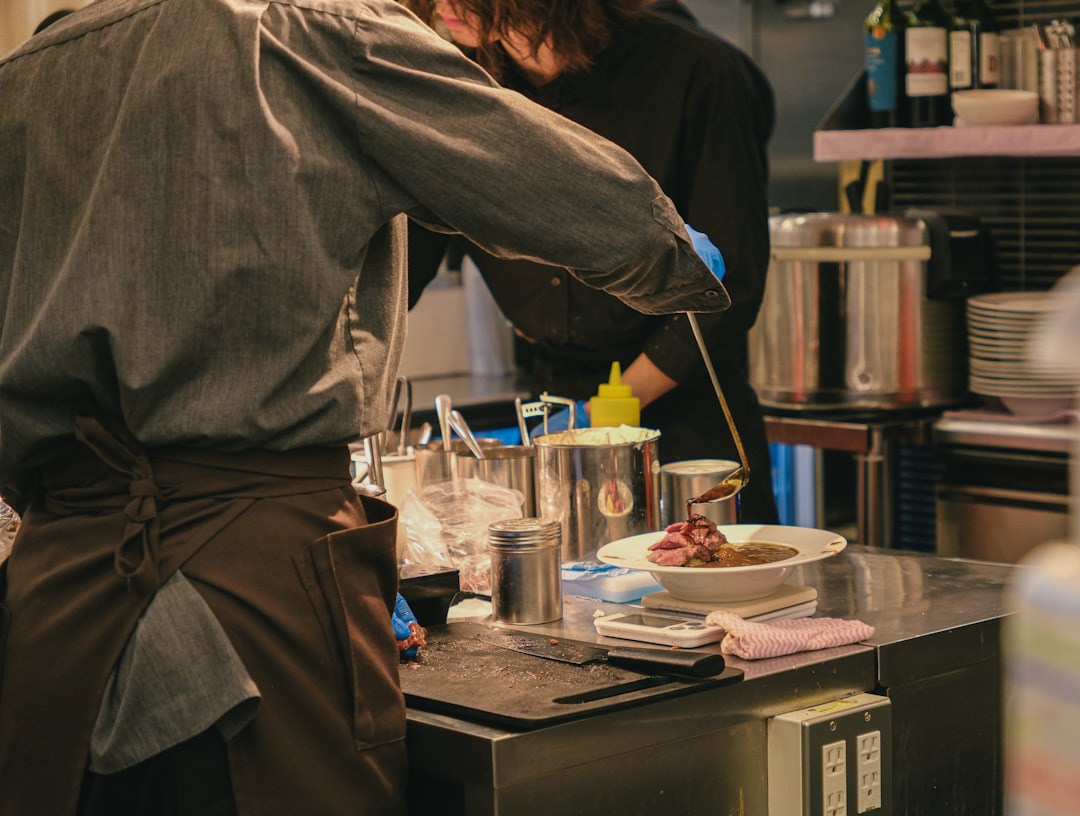
More than 80 percent of the traffic to a typical Jamaican restaurant website comes from phones. That is not the same as “a lot of people use phones”. It means the phone version is the real version, and the desktop version is a courtesy. Design for the phone first, test every new feature on a phone before you launch it, and if something looks worse on mobile, cut it.
Getting help
A proper restaurant website pulls together design, photography, menu management, ordering integration, reservation handling, and local SEO. That is a lot to juggle while also running a restaurant. At Sitepact JA we build restaurant websites for Jamaican operators with no upfront cost, including online ordering, WhatsApp integration, Google Business Profile setup, and ongoing maintenance so menu updates never slip. You focus on the food. We handle the digital side.
Frequently Asked Questions
Do Jamaican restaurants really need a website if they have Instagram?
Yes. Instagram is excellent for discovery and personality, but it cannot display a searchable menu, take bookings in the background, show up on Google searches, or survive if your account gets suspended. The best performing Jamaican restaurants use both together, with Instagram as the front door and the website as the main building.
Should I use Uber Eats or QuickCart or my own ordering system?
Most successful Jamaican restaurants use a combination. Marketplaces like Uber Eats and QuickCart bring in discovery traffic from customers who would not have found you otherwise, but they take 20 to 30 percent commissions. Your own ordering system keeps all the revenue and builds direct relationships. Use marketplaces for reach and your own system for repeat customers.
How often should I update my restaurant menu online?
Whenever anything changes: a new dish, a price adjustment, an item coming off the menu. At minimum, review the online menu once a month. Nothing erodes trust faster than a customer ordering something that is no longer available at a price that is no longer accurate.
Is a PDF menu on my website good enough?
No. PDF menus are hard to read on phones, cannot be indexed by Google, and are usually out of date within months because owners forget to re-export them after changes. Replace them with a proper web menu that is easy to update. Your customers and your search rankings will both thank you.
How much does a restaurant website cost in Jamaica?
Costs vary widely. A basic professional website runs from JMD 200,000 to JMD 500,000 in the Jamaican market. Sites with online ordering, reservations, and custom design cost more. Monthly payment models like Sitepact JA’s remove the upfront cost entirely and include ongoing updates, which is often a better fit for restaurants that cannot spare a large one time investment.
