


Jamaican handmade goods carry something that mass-produced products cannot replicate: authenticity, story, and connection to a specific place and tradition. Jamaican hot sauces, jewelry, candles, clothing, ceramics, natural hair and skincare products, and artwork all have active buyers both locally and among diaspora communities abroad. An e-commerce website is the infrastructure that connects what you make to people who want it.
This guide covers the specific considerations for Jamaican artisans and small-scale producers building their first online store.
Why handmade Jamaican products need their own e-commerce presence
Selling through Instagram or Facebook markets gets you started, but it has real limitations. Social media platforms control your reach through algorithms. You have no ability to search-optimize your products for Google. Checkout is clunky or depends on manual payment coordination. You own no customer email list.
An e-commerce website solves all of these: it can rank in Google for searches like “Jamaican natural hair products online” or “buy Jamaican hot sauce UK,” it processes payments automatically, and every customer order builds your database.
The combination of social media (discovery) and e-commerce website (transaction and relationship) is stronger than either alone.
Platform choice for Jamaican artisan stores
For most Jamaican handmade product sellers, WordPress with WooCommerce is the recommended platform. The reasons are practical: no platform transaction fees, full design control, excellent product presentation options, and native integration with Jamaican payment gateways like WiPay.

For sellers who want to reach international buyers specifically, Etsy is worth considering as an additional sales channel alongside your own website. Etsy has an established audience seeking handmade and artisan products and already attracts buyers interested in Caribbean and Jamaican goods. Running both an Etsy shop and your own WooCommerce store gives you the marketplace traffic and the direct-sale cost efficiency simultaneously.
Our WooCommerce vs Shopify comparison for Jamaica covers the platform decision in depth if you want more detail.
Product photography for Jamaican handmade goods
Product photography is the most important investment for a handmade goods e-commerce site. Your photos are doing the work that a market stall’s tactile experience does: they convince a stranger to spend money on something they cannot touch.
For Jamaican artisan products, the best photos combine three elements: a clean product shot against a neutral background (white or light wood), a lifestyle shot showing the product in context or in use, and a detail shot that shows the craft quality up close.
Natural light is your friend. Photograph near a window in the morning when the light is soft. For food products and sauces, shoot in a kitchen setting with actual use: a hand pouring sauce onto jerk chicken, a spread of ingredients around the sauce bottle. This communicates flavor and use better than any text description.
See our full guide on how to photograph your Jamaican business for your website for more detailed photography techniques.
Telling the story of your Jamaican product
Buyers of handmade goods are frequently buying the story alongside the product. A Jamaican pepper sauce made from scotch bonnets grown in a specific parish, by a family that has been making sauce for three generations, is more compelling than “pepper sauce” on a price sticker.
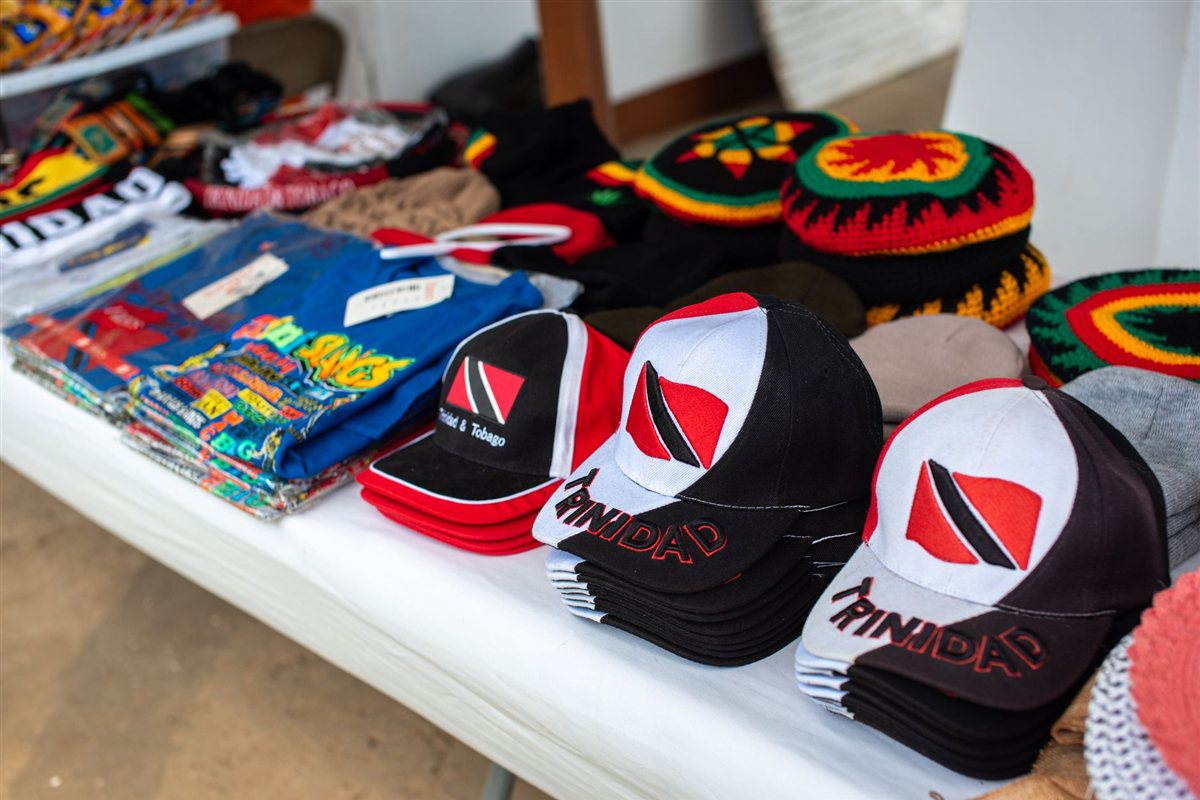
Your product descriptions, your about page, and your homepage copy should all convey this story. Where are the ingredients sourced? Who makes it? What is the process? How long has this been done? What is the connection to Jamaican tradition, culture, or geography?
For diaspora buyers especially, this specificity is the purchase rationale. They are buying a connection to something real, not just a commodity.
Shipping handmade Jamaican products
Shipping is the operational challenge that stops many Jamaican artisans from selling online. The good news is that the logistics infrastructure exists and is used regularly by Jamaican online businesses. The main carriers for domestic Jamaica shipping include Knutsford Express, Tara, and Zipmail. For international shipping to the diaspora in the US, UK, and Canada, DHL, FedEx, and the Jamaica Post international service are all viable options.
Build your shipping rates and delivery timelines into your WooCommerce setup. For flat-rate domestic shipping, charge a fixed JMD amount based on your typical parcel weight and size. For international shipping, either flat-rate by region (US, UK, Canada) or calculated shipping using the carrier’s API.
Clear shipping timelines on your product pages reduce customer service inquiries significantly. “Ships within two business days. Domestic delivery via Knutsford Express in two to four days. International delivery via DHL in five to ten business days” answers the questions before they are asked.
Setting up payments for Jamaican artisan products
WiPay is the most practical payment gateway for local Jamaican buyers. For international buyers, PayPal is widely trusted and accessible. Setting up both covers the majority of your customer base.
Our detailed WiPay setup guide walks through the installation process on WooCommerce step by step.
Frequently asked questions
Can I sell handmade Jamaican products internationally through my own website?
Yes. International sales are one of the strongest use cases for a Jamaican artisan e-commerce site. Diaspora buyers in the US, UK, and Canada actively seek authentic Jamaican products. You need an international payment method (PayPal is the most accessible), a clear international shipping setup with realistic timelines, and product descriptions that communicate the Jamaican origin and authenticity of what you make.
Should a Jamaican artisan sell on Etsy and their own website?
Many successful Jamaican artisans run both. Etsy provides marketplace traffic from buyers already looking for handmade goods internationally, while your own website gives you lower fees, more brand control, and the ability to build a direct customer relationship. Sales from your own site generate higher margins; Etsy sales reach a ready-made audience. The two channels complement each other well.
How do I handle customs when shipping Jamaican handmade products internationally?
Each international shipment needs a customs declaration form describing the contents, their value, and their country of origin (Jamaica). Most carriers provide these forms at the point of shipping. Be accurate on declarations — under-declaring value to avoid duties is illegal and can result in seized shipments. Inform international buyers that they may be responsible for import duties or taxes in their country, which vary by product type and value.
How do I price my handmade Jamaican products for an online store?
Price should cover: material cost, time to produce (at a fair hourly rate), packaging, shipping cost (or a portion of it), platform fees, and a profit margin. For diaspora sales, research what comparable products sell for on Etsy or in specialty stores in the US and UK, as international buyers are often willing to pay more for authentic, origin-specific Jamaican goods than local market pricing reflects.
How should a Jamaican handmade products business handle out-of-stock situations on their website?
Enable back-in-stock notifications rather than simply showing products as unavailable. A form that captures the customer’s email and alerts them when the item is restocked turns a lost sale into a future sale. For limited-edition or handmade items where restocking is uncertain, be transparent: explain your production cycle and let customers sign up to be notified. Hiding out-of-stock products removes them from organic search and loses the long-term SEO benefit of having those pages indexed.
