

Facebook was, and in many ways still is, where Jamaican businesses first got online. It was free, everyone was already on it, and a Facebook page was faster to set up than a website. For a business just starting out with no marketing budget, that made complete sense.
But a Facebook page has a ceiling. You do not own the content. Your reach depends on an algorithm you cannot control. If Facebook changes its rules, your business is affected. If your account gets restricted or hacked, your entire online presence can disappear overnight. And critically, a Facebook page does not help you rank in Google search for the queries your customers are typing.
At some point, every serious Jamaican business needs to make the move.
What you actually have on Facebook
Before migrating, take inventory of what you have built. Your Facebook presence probably includes years of posts, customer reviews and comments, photos, possibly videos, a follower base, and the ability to run ads. Some of this migrates easily. Some of it does not.
What does not move: Your Facebook follower count stays on Facebook. The social proof of “5,000 people like this” lives on the platform and cannot be exported. Your Facebook reviews are only visible on Facebook.
What you can save and use: Your photos and videos (download these), your customer contact information if you have collected it, your written content (posts, descriptions), and importantly, your customer relationships (these are in people’s heads, and you can maintain them through a transition if you handle communication well).
Setting up your website foundation
The transition is not about abandoning Facebook. It is about building something you own that runs alongside it. Facebook becomes a traffic driver to your website, not the endpoint.
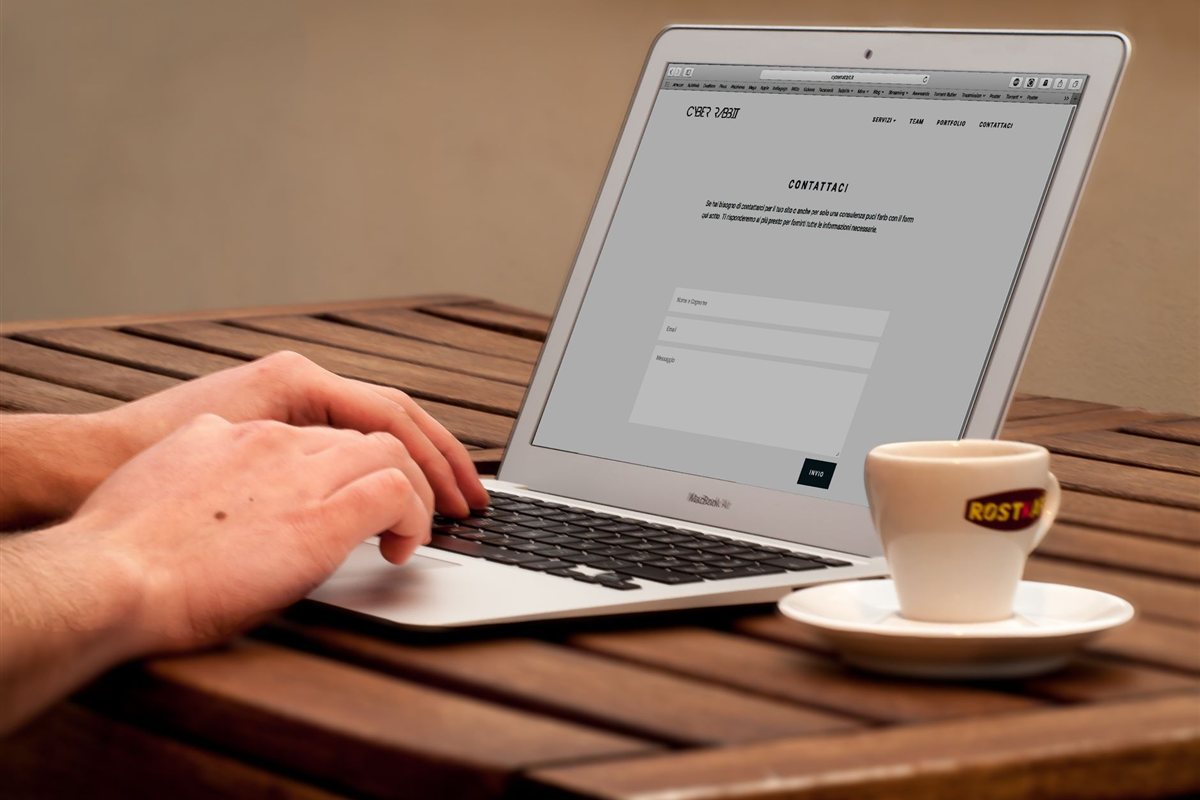
The minimum viable website for a Jamaican business making this move includes: a homepage that introduces the business clearly, a services or products page, an about page, a contact page with a form and your phone number, and optionally a blog for SEO.
For a business that has been operating on Facebook for years, you likely already have good material for all of these: the product descriptions you have written, the photos you have taken, the things you know your customers ask repeatedly. Your website content is essentially waiting to be organized.
If you are selling products on Facebook, setting up WooCommerce allows you to replicate (and improve on) that selling function with proper checkout, payment processing through WiPay or PayPal, and order management that Facebook cannot offer. Read our guide on how to start an e-commerce store and sell online in Jamaica for a roadmap.
Migrating your audience without losing them
The key communication task when making this move is letting your Facebook followers know about the website before you launch, not after. A post series like “our new website is coming, here is what it will include” generates anticipation and plants the URL in followers’ minds.
At launch, publish a Facebook post with your website URL, explain what the site offers (online ordering, booking, new content, etc.), and give followers a reason to visit. A launch discount, a free download, or exclusive content accessible only on the website all work.
The goal is not to abandon Facebook but to train your audience to see your website as the destination and Facebook as the signpost.
Getting your first Google traffic
Once your website is live, the fundamental advantage over Facebook becomes clear: you can rank in Google for searches your customers type. Someone searching “catering Kingston Jamaica” or “natural hair salon Montego Bay” can find your website. They cannot find your Facebook page in the same way because Facebook pages do not rank as well for commercial local searches.
Set up a Google Business Profile connected to your website. Submit your sitemap to Google Search Console. These two steps, both free, are what get the Google traffic started.
Keeping Facebook active while you grow your website
The mistake many Jamaican businesses make is treating the website launch as a reason to go quiet on Facebook. Do not do this. Your Facebook followers are a warm audience; keep posting there. The difference now is that your Facebook posts link back to your website where possible: to a blog post, a product page, a booking form.
Facebook drives traffic to your website. Your website captures leads, takes orders, and builds your email list. Your email list (covered in our guide on how to build a customer email list with your website) is the audience you actually own, independent of any platform.
Frequently asked questions
Can I keep my Facebook page when I build a website for my Jamaican business?
Yes, and you should. Your Facebook page and your website serve different purposes. Facebook is a social platform where you connect with existing followers. Your website is the professional home of your business that ranks in Google, takes bookings or orders, and builds your email list. Use both, but direct traffic from Facebook to your website rather than treating Facebook as the destination.
Will I lose my Facebook followers when I launch a website?
No. Your Facebook followers remain on Facebook. Launching a website does not affect your Facebook presence in any way. The goal is to give your Facebook audience a reason to visit your website and eventually sign up for your email list, so you have a way to reach them that does not depend on the Facebook algorithm.
How much does it cost for a Jamaican business to move from Facebook to a website?
A basic WordPress business website for a Jamaican small business typically costs between JMD 80,000 and JMD 250,000 for professional development, depending on complexity. Ongoing hosting costs roughly JMD 1,500 to JMD 5,000 per month. This is a one-time investment for an asset you own permanently, compared to Facebook where you own nothing.
How long does it take to build a website for a Jamaican business?
A straightforward business website with five to eight pages typically takes two to four weeks from briefing to launch. E-commerce sites with product catalogs and payment integration take four to eight weeks. The timeline depends on how quickly content and images can be provided and how many rounds of revisions are needed.
Can I keep using Facebook alongside my Jamaican business website?
Absolutely, and you should. A website and Facebook serve different purposes that complement each other. Your Facebook page handles community interaction and referrals; your website handles first impressions from search traffic, processes sales or inquiries, and builds SEO value. The error is relying on Facebook as your only presence. Run both, with your website as the destination and Facebook as one of the traffic channels.
