


Jamaican businesses that sell online face a currency challenge that businesses in larger markets rarely encounter. Your local customers want to pay in Jamaican dollars. Your diaspora customers in the US, UK, and Canada use USD, GBP, and CAD. International tourists booking villas or tours have their own home currencies. Getting all of these right on one website requires a deliberate setup.
This guide covers your options for accepting multiple currencies on a Jamaican website, the payment gateways that support them, and how to configure your WooCommerce store accordingly.
Understanding Jamaican foreign exchange regulations
Before discussing technical setup, the regulatory context matters. The Bank of Jamaica oversees foreign exchange transactions, and businesses that receive foreign currency online should understand their reporting and repatriation obligations. Consult Bank of Jamaica guidelines or a Jamaican financial advisor for advice specific to your business type and transaction volume.
In practice, most Jamaican small businesses receiving foreign currency through payment gateways like PayPal or Stripe do so under agreements with those platforms, with currency conversion happening at the platform level before settlement in JMD to a Jamaican bank account.
Accepting JMD payments through Jamaican gateways
For local customers, WiPay is the most practical gateway for JMD card payments from Jamaican Visa and Mastercard holders. It processes in JMD, settles in JMD to your Jamaican bank account, and integrates with WooCommerce through their plugin.

NCB Merchant Services and Scotiabank’s online payment products are other options for JMD acceptance, though the integration options for e-commerce platforms vary and setup timelines can be longer than WiPay.
For bank transfers, many Jamaican businesses accept NCB or Scotiabank direct transfers and process orders manually. This works for high-value, low-volume transactions but does not scale for a product store.
Our WiPay setup guide covers the full integration process on WooCommerce.
Accepting USD and foreign currencies through PayPal
PayPal is the most accessible gateway for Jamaican businesses needing to accept foreign currencies. A Jamaican merchant account with PayPal can accept payments in USD, GBP, EUR, and CAD. PayPal handles the currency conversion and can hold balances in multiple currencies or convert automatically to JMD when funds are withdrawn to a Jamaican bank account.
The limitation of PayPal: transaction fees of approximately 3.49% plus a fixed fee per transaction for international payments, and PayPal’s buyer protection policies can result in disputes that favor the buyer even in legitimate cases. For Jamaican businesses, PayPal disputes are a known operational risk worth managing through clear policies and documentation.
Stripe and other international card processors
Stripe is the preferred gateway internationally for smooth, customizable card payment experiences. The challenge for Jamaican businesses is that Stripe requires either a US, UK, or other supported-country business entity and bank account. Some Jamaican entrepreneurs solve this by incorporating a US LLC as the contracting and payment entity, but this adds legal and administrative complexity.
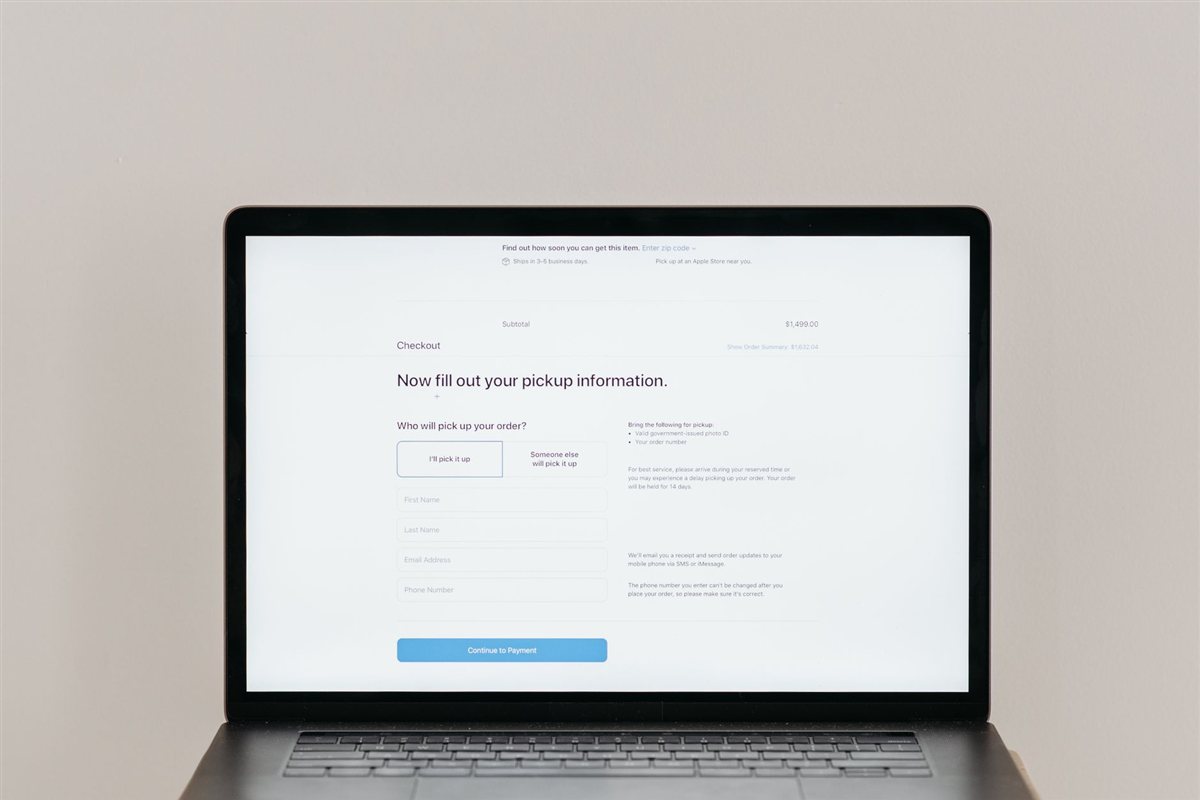
If your business structure qualifies, Stripe’s currency handling is excellent: you can charge in the customer’s currency, hold multiple currency balances, and schedule payouts.
Stripe’s supported countries page shows the current list of countries where Stripe is directly available. Jamaica is not currently on the direct list, which is why workarounds involving US entities are common.
Configuring WooCommerce for multi-currency display
Showing prices in the visitor’s local currency is a significant conversion improvement for international buyers. WooCommerce currency switcher plugins like WOOCS or Currency Switcher for WooCommerce detect the visitor’s location and display prices in an appropriate currency.
This is a display feature; the actual payment currency depends on which gateway the customer uses at checkout. The combination of JMD display for Jamaican visitors (who pay via WiPay) and USD display for international visitors (who pay via PayPal) is the most common Jamaican e-commerce setup for dual-market businesses.
Practical setup for a Jamaican e-commerce store serving both markets
The typical configuration for a Jamaican online store serving local and diaspora customers:
WooCommerce as the base platform. WiPay for local JMD card payments. PayPal for international USD payments. A currency switcher plugin to display JMD to Jamaican visitors and USD to international visitors. Clear messaging on product pages about which currencies are accepted at checkout.
For higher-volume international selling, the combination of WiPay for local and a Stripe alternative (like Checkout.com, which operates in more Caribbean markets) may eventually be available as Stripe expands.
Frequently asked questions
Can I accept USD payments directly to my Jamaican bank account?
Most Jamaican banks offer US dollar accounts that can receive USD deposits. PayPal can transfer USD funds to a linked Jamaican US dollar account, or convert to JMD for a Jamaican dollar account. WiPay settlements are in JMD. Check with your specific Jamaican bank about their USD account options and any fees for receiving international transfers.
Should I price my Jamaican online store products in JMD or USD?
Price primarily in JMD for a local Jamaican customer base, with a currency switcher that shows USD or other currencies to international visitors. If your primary market is international diaspora customers, pricing in USD with JMD as secondary is reasonable. Avoid showing both currencies without a switcher, as displaying two prices for the same item confuses customers and creates trust issues.
Is Stripe available for Jamaican businesses?
Stripe does not directly support Jamaican businesses as of 2026. Jamaican merchants who want to use Stripe typically do so through a US business entity (US LLC) with a US bank account, which provides access to Stripe’s payment infrastructure but adds business structure complexity. Check Stripe’s website for the current status of Caribbean expansion, as supported countries continue to grow.
How do I handle exchange rate fluctuations between JMD and USD on my website?
Currency switcher plugins that use live exchange rate APIs update the displayed currency conversions automatically, so you do not need to manually update prices when the exchange rate shifts. For actual payment processing, the exchange rate at the time of payment applies, as determined by the payment gateway (PayPal uses their exchange rate; your bank uses theirs for wire transfers).
What happens to exchange rate differences between when a Jamaican customer orders and when payment settles?
For JMD card payments through WiPay, settlement is in JMD and there is no exchange rate risk since both price and settlement are in the same currency. For USD payments through PayPal, PayPal applies their exchange rate at the time of the transaction. If you hold a PayPal USD balance and the exchange rate changes before you withdraw, the JMD amount will differ. For Jamaican businesses pricing in JMD but receiving USD, building a small currency buffer protects against fluctuation.
