

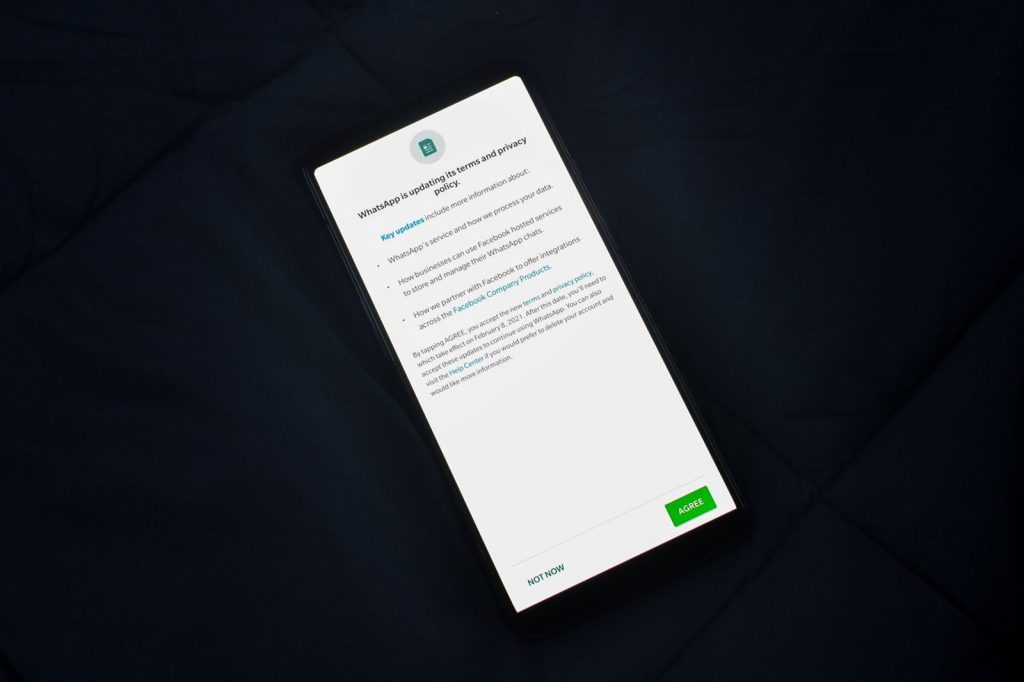
You have seen the banners on almost every website you visit: “We use cookies. Accept all / Manage preferences.” Most people click “Accept all” and move on. But as a Jamaican business owner with a website, you are on the other side of that banner. You need to know what cookies are, what your legal obligations are, and whether your site actually needs a consent mechanism.
The short version: if your Jamaican website serves visitors from the European Union, has Google Analytics, or falls under the Jamaica Data Protection Act, cookie consent and privacy compliance are not optional.
What website cookies actually are
A cookie is a small text file that a website saves in a visitor’s browser. When someone visits your site again, the browser sends that file back to the server, which is how the site “remembers” things like login status, shopping cart contents, and preferences.
Cookies fall into a few categories. Strictly necessary cookies keep the site functioning (session management, shopping cart). Analytics cookies track visitor behavior (Google Analytics uses these). Marketing cookies track users across sites for advertising purposes (Facebook Pixel, Google Ads). Preference cookies remember things like language settings.
Strictly necessary cookies generally do not require consent because the site cannot function without them. Analytics, marketing, and preference cookies typically do require consent under European privacy laws.
The legal situation for Jamaican websites
Jamaica has the Data Protection Act (DPA), which came into force and is enforced by the Office of the Privacy Commissioner of Jamaica. The Act covers the collection and processing of personal data by Jamaican organizations. Cookies that collect personal information (like IP addresses or browsing behavior) are considered personal data under the DPA.

The Office of the Privacy Commissioner of Jamaica provides guidance on compliance. If your website serves Jamaican residents and collects data through analytics or marketing cookies, the DPA applies to you.
For websites with European visitors, the General Data Protection Regulation (GDPR) also applies. GDPR is the stricter standard: you must obtain explicit, informed consent before setting any non-essential cookies for EU users. The GDPR’s reach extends to Jamaican businesses if they have EU website visitors or customers.
Does your Jamaican website need a cookie banner?
Almost certainly yes, if your site has Google Analytics, Facebook Pixel, Google Ads tracking, or any third-party marketing tools. All of these set cookies that collect visitor information.
The easy way to check: install the free Cookiebot scanner on your site. It scans every page and produces a full report of every cookie currently being set, categorized by type. This tells you exactly what your site is doing before you decide what consent mechanism to implement.
What a proper cookie consent banner needs to include
A compliant consent banner must:

- Tell visitors what types of cookies your site uses
- Give them a genuine choice to accept or decline non-essential cookies
- Not use dark patterns (like making “Accept” prominent and “Decline” tiny and hidden)
- Remember their choice and not ask again on every page visit
- Allow users to change their consent at any time
Banners that pop up and only offer “OK” or “Accept all” with no reject option are not compliant with GDPR. They may also raise issues under Jamaica’s DPA depending on how it is interpreted.
Implementing cookie consent on a WordPress site
For WordPress, two reputable free plugins handle cookie consent well. CookieYes auto-scans your site for cookies, generates a consent banner, and blocks non-essential cookies until the visitor consents. Complianz is another strong option with detailed configuration and support for multiple privacy laws.
Both plugins generate the consent records you would need to show regulators if asked to demonstrate compliance.
After installing the plugin, block Google Analytics cookies until consent is given. This means your GA4 data will show slightly lower traffic numbers because some visitors decline tracking. That is the compliant behavior, not a plugin malfunction.
Privacy policy requirements
Cookie consent and privacy policy are separate but related. Your Jamaican business website needs a privacy policy that explains:
- What personal data you collect (names, email addresses, IP addresses via analytics)
- Why you collect it
- How long you keep it
- Who you share it with (Google Analytics = sharing with Google)
- How visitors can request their data be deleted
We covered the broader picture of privacy and the Jamaica Data Protection Act in our guide to what the Jamaica Data Protection Act means for your website.
Frequently asked questions
Do Jamaican websites need GDPR compliance if they only serve Jamaican customers?
If your website only serves Jamaican residents with no EU visitors, GDPR strictly speaking does not apply. However, the Jamaica Data Protection Act does apply to Jamaican businesses collecting personal data. The practical advice is to implement compliant consent mechanisms regardless, because it is good practice, because you cannot always control where visitors come from, and because privacy regulation is tightening globally.
Does Google Analytics require cookie consent in Jamaica?
Google Analytics sets cookies that track individual users. Under GDPR, this requires explicit consent from EU visitors before the cookie is placed. Under Jamaica’s Data Protection Act, collecting personal data through analytics should be disclosed in your privacy policy at minimum. For full compliance, a consent mechanism that blocks GA cookies until the visitor agrees is the safest approach.
What happens if a Jamaican business does not have a cookie consent banner?
For purely local businesses with only Jamaican visitors, the immediate regulatory risk from the Jamaica DPA is relatively low at present but is increasing as the Office of the Privacy Commissioner becomes more active. For businesses with EU customers, GDPR violations can result in fines of up to 4% of annual global turnover or 20 million euros, whichever is higher. Implementing consent is far less expensive than a regulatory penalty.
Are all cookies the same from a legal standpoint?
No. Strictly necessary cookies (session management, shopping cart) are exempt from consent requirements because the website cannot function without them. Non-essential cookies (analytics, marketing, preferences) require consent under GDPR and best-practice standards worldwide. A compliant cookie banner gives visitors the option to accept or reject non-essential categories separately.
Does a Jamaican website that only targets local customers need a GDPR cookie banner?
GDPR strictly applies to businesses processing data of EU residents, so a purely Jamaican audience is not directly subject to it. However, Jamaica’s Data Protection Act has parallel obligations around transparent data collection. Practically, if there is any chance your website receives visitors from Europe (common with diaspora audiences), implementing a cookie consent mechanism protects you under both regimes and is simpler than trying to geo-filter.
