

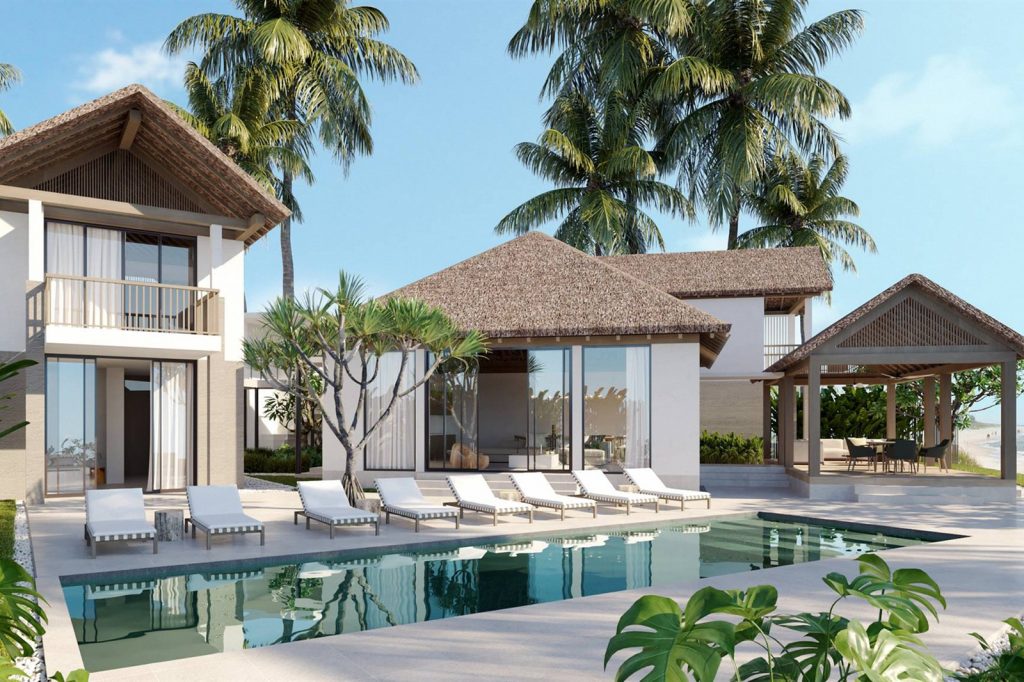
A potential guest browsing for a Jamaican villa rental or tourism experience is simultaneously evaluating dozens of properties. They spend seconds on each one before deciding whether to go further. Your homepage has one job in those seconds: make them stay.
The decision to stay is almost never made consciously. It is triggered by photography, visual clarity, and the immediate feeling that this place looks real, beautiful, and trustworthy. Everything that comes after, the detailed descriptions, the amenities lists, the pricing, the reviews, only matters if the first impression passes.
The hero section: where decisions are made
The hero is the area visible without scrolling: usually a full-width image or video above the fold, accompanied by a minimal amount of text and often a call to action.
For a Jamaican tourism or villa rental homepage, the hero image must do serious work. It should show the property or experience at its absolute best, in ideal conditions, with compelling composition. A villa hero image showing the pool against a hillside backdrop at golden hour is viscerally appealing in a way that a daytime photo of the same pool against a grey sky is not. A tour operator’s hero might show the waterfall, the beach, or the experience that best represents what makes their offering distinctive.
If you have professional photography that captures Jamaica’s beauty at its best, this is where it earns its cost. If you do not yet have professional photos, investing in them before building the website saves you the cost of rebuilding the site later with better imagery.
Video backgrounds, showing a brief loop of the property, beach, or activities, work well for villa and resort sites. Keep autoplay muted and ensure it does not affect load time. A poor video background that slows the page is worse than a strong static image.
The booking call to action
Directly beneath or alongside the hero, the primary call to action should be visible without scrolling. For a villa rental, this is typically a booking request or availability check. For a tour operator, it is a “book now” or “get a quote” button.
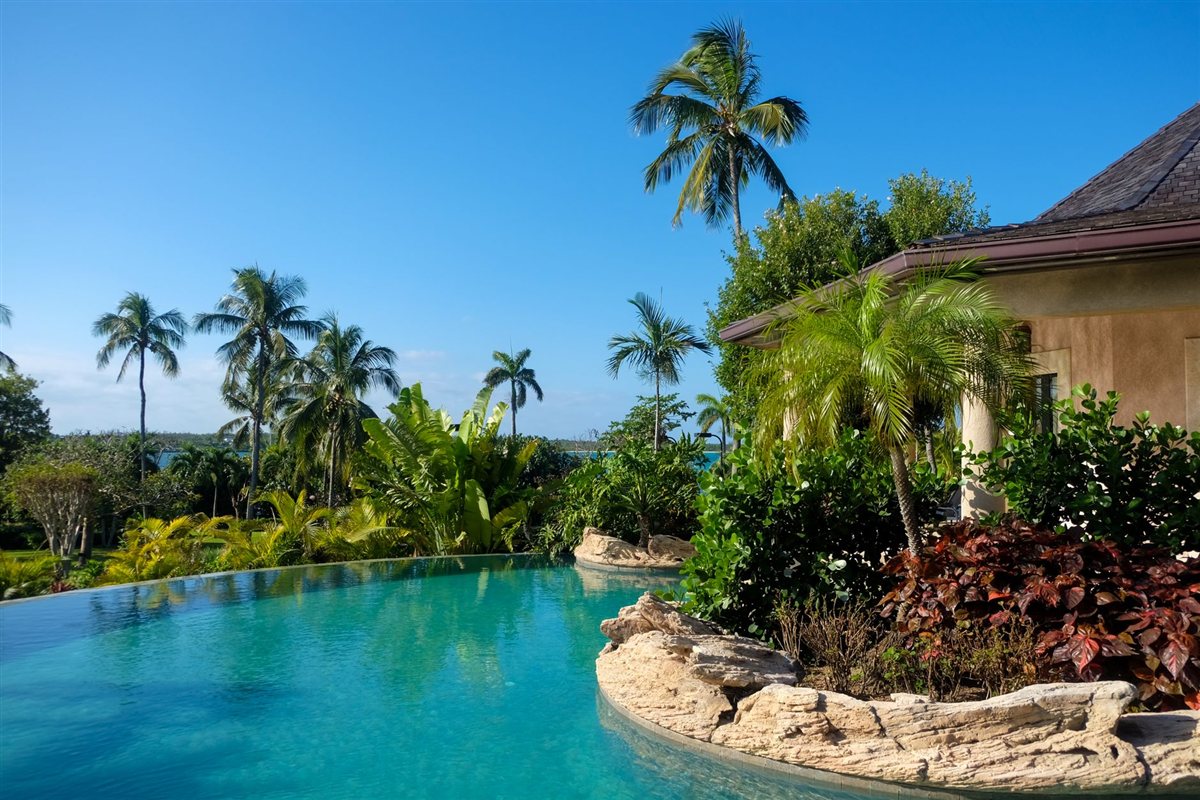
The design and wording of this CTA matters. “Book Now” is direct and works for properties with instant booking. “Check Availability” works for properties that require inquiry before confirming. “Plan Your Stay” works for premium properties where a conversation precedes booking.
What does not work is a CTA that disappears into the page, uses low-contrast text, or is positioned so far down the page that mobile visitors miss it. The booking mechanism should be prominent on the homepage and accessible from every page of the site via the navigation or a sticky header button.
Trust signals above the scroll
First-time visitors to a Jamaican villa or tourism site have no prior experience with your business. Their primary question is: “Is this real and can I trust it?” Trust signals answer this question before it is explicitly asked.
The most effective trust signals for Jamaican tourism businesses:
TripAdvisor or Google rating badge: A visible average rating (4.7 stars from 142 reviews) is among the most powerful conversion elements on a tourism homepage.
Media mentions: “As featured in Travel + Leisure” or “Recommended by Condé Nast Traveller” carries weight with international guests familiar with those publications.
Social proof statistics: “Over 5,000 guests hosted since 2015” or “94% of guests rated us 5 stars” give visitors a quick quantitative read on your track record.
A map or location context: International guests appreciate an immediate sense of where in Jamaica the property is located. A small map or a line saying “10 minutes from Negril’s Seven Mile Beach” places the property without requiring the visitor to search.
Photography and video: the investment that pays
The investment conversation around photography for Jamaican tourism websites is worth having directly: the difference between mediocre and excellent photography is the difference between a site that struggles to convert and one that fills its calendar. Guests booking a Jamaica villa at USD 500 to USD 3,000 per night are not deciding based on price alone. They are buying an experience, and your photography is the preview of that experience.

This means professional photos of every space (bedroom, bathroom, kitchen, living areas, outdoor spaces, the view), environmental shots showing the property in its Jamaica context, lifestyle shots showing people enjoying the property (with appropriate model releases), and detail shots of special features.
Drone footage, if the property and location permits it, consistently produces the most compelling content for premium villa sites.
What the rest of the homepage covers
Below the fold, a well-structured Jamaican tourism homepage typically includes: a brief property or experience overview with the unique selling points, a photo gallery or visual grid, highlights of the most popular amenities, a short testimonial or review excerpt, a section on the local area (what makes this part of Jamaica special), and a clear secondary call to action.
For a comparison of features specifically needed for Jamaican accommodation sites, see our guide on 8 essential website features every Jamaican hotel and villa should embrace.
Frequently asked questions
Should a Jamaican villa rental website show prices on the homepage?
Showing a starting rate on the homepage (“from USD 450 per night”) qualifies visitors quickly and reduces time wasted on inquiries from guests whose budget does not match your pricing. Full rate details belong on a dedicated rates page. For ultra-luxury properties where pricing is entirely custom and quote-based, “starting from” language or “pricing available on request” is acceptable, but complete price opacity can discourage qualified guests who would book if they knew the cost.
How important is mobile optimization for a Jamaican tourism website homepage?
Critical. A significant percentage of travel planning, especially initial discovery and shortlisting, happens on mobile devices. A Jamaican villa or tour operator website that looks poor on a phone is losing bookings from the moment it fails to load properly. Your homepage hero image, booking CTA, and contact options must all work smoothly on mobile.
How many photos should a Jamaican villa rental homepage have?
A gallery section on the homepage showing six to twelve curated photos gives visitors a compelling preview without overwhelming them. The full photo gallery (which should show every space in the property) belongs on a dedicated gallery page linked from the homepage. On the homepage, show only the strongest photos that represent the property at its best.
Should a Jamaican tourism website use a video background on its homepage?
Video backgrounds can be very effective for tourism sites when the video quality is high, it loads fast (kept under 10MB, served via CDN), and it shows the property or experience at its best. If the video quality is average or the production is noticeably amateur, a strong static image performs better. Test your page load speed after adding a video background and consider offering a static image fallback for slow connections.
How should a Jamaican villa or tourism website display pricing given the seasonality of rates?
Create a dedicated rates page that clearly separates high season (typically December through April) from shoulder and low season rates. On the homepage, use ‘starting from’ language referencing your lowest available rate with a link to the full rates page. Avoid showing only high-season rates as this can discourage visitors who would book at shoulder-season prices. Integrate a booking calendar widget so visitors can immediately see availability and rates for their specific travel dates.
