


Jamaica’s government has been investing in digital infrastructure and policy at a pace that most Jamaican business owners have not fully tracked. The National Digital Transformation Policy, the Financial Inclusion Initiative, the National Payments System modernization, and the Data Protection Act collectively represent a substantial shift in how digital business is expected to operate in Jamaica.
For a Jamaican business with an online presence, understanding these policy directions helps you make better decisions about your website, payment systems, and data practices both for compliance and for anticipating where the opportunities are.
The National Digital Transformation Policy
Jamaica’s National Digital Transformation Policy, developed in cooperation with international development partners, outlines the government’s vision for a digitally enabled economy. Key pillars include digital financial services, digital government services, digital skills development, and cybersecurity.
For businesses, the practical implication is that digital-first interactions are becoming the expected standard for government transactions, financial services, and increasingly commercial relationships. Businesses that operate primarily offline or through informal digital channels (Facebook messages, WhatsApp orders) are at increasing disadvantage as both customers and partners expect more structured digital processes.
The Ministry of Science, Energy and Technology publishes digital economy policy updates and consultations that are relevant to businesses with significant online operations.
The National Payments System modernization
The Bank of Jamaica has been actively modernizing Jamaica’s payments infrastructure. Lynk, the mobile money platform backed by NCB and licensed by the Bank of Jamaica, is one visible output of this. The Instant Payment System that enables real-time interbank transfers is another.
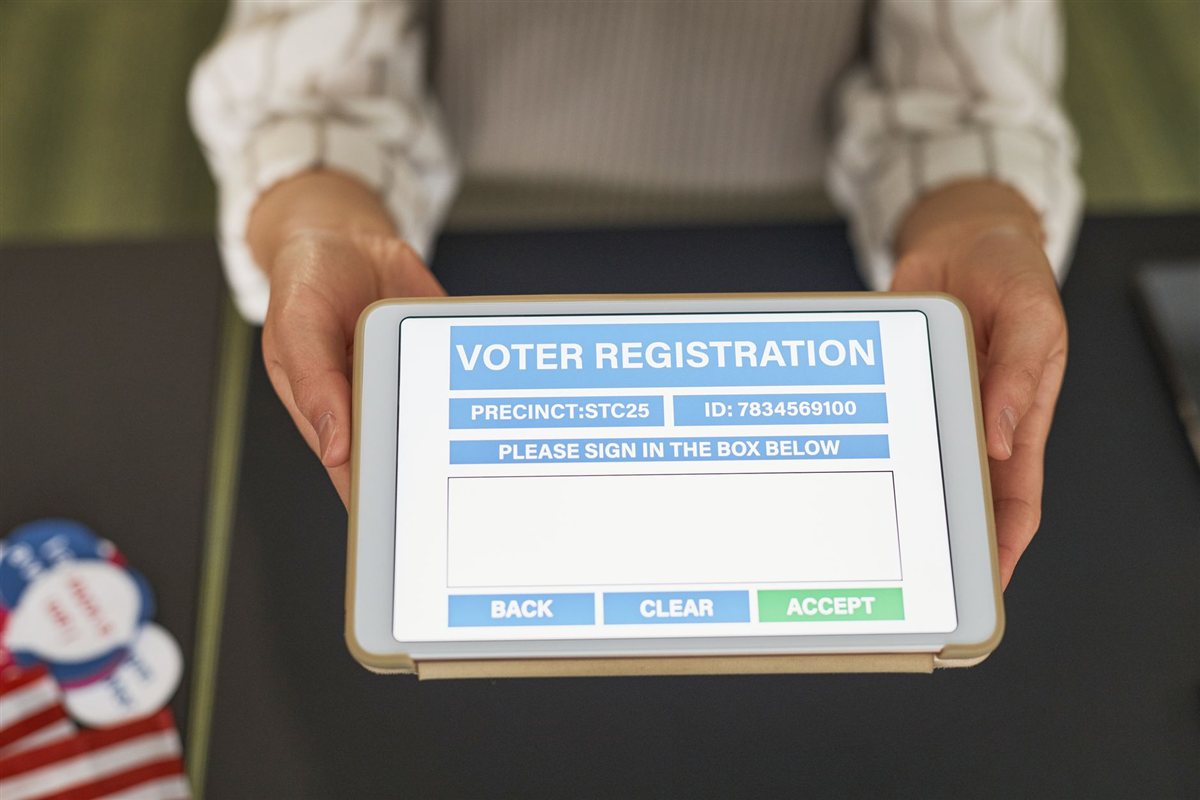
For Jamaican e-commerce businesses, this modernization means: more payment options becoming available, faster settlement timelines as the infrastructure matures, and the expectation that digital payment acceptance will become standard for businesses of all sizes. A business that still relies primarily on cash or manual bank transfers faces growing friction as customers expect digital payment options.
The Bank of Jamaica’s National Payments System framework documents the regulatory structure governing digital payments in Jamaica.
The Jamaica Data Protection Act: compliance obligations
The Data Protection Act (DPA) passed in 2020 and has been in implementation phase since, creating formal obligations for Jamaican businesses that collect and process personal data. For any business with a website that collects email addresses, inquiry form submissions, order information, or analytics data, the DPA applies.
Key obligations under the DPA:
You must inform individuals about what data you are collecting and why. Your privacy policy must clearly describe this.
You must collect only the data necessary for the stated purpose. Collecting email addresses “just in case” without a clear use case is not compliant.
You must protect the data against unauthorized access. Security practices, SSL, and data handling procedures matter from a compliance standpoint.
You must honor requests from individuals to access, correct, or delete their data.
Our detailed guide on what the Jamaica Data Protection Act means for your business website covers the compliance specifics. The Office of the Privacy Commissioner of Jamaica is the regulatory body and publishes guidance materials for businesses.
E-Government and digital procurement
The Jamaican government has been expanding e-Government services, which affects businesses that deal with government procurement, licensing, and compliance. Online business registration, tax filing through Tax Administration Jamaica’s portal, and NIS contributions processing have all moved significantly toward digital-first workflows.

For a Jamaican business, being digitally set up is increasingly not optional for smooth government interactions. TAJ’s online portal, Companies Office of Jamaica’s online registration services, and electronic filing for import/export compliance all require digital capabilities.
Where Jamaica’s digital economy is heading
The direction is clear even if the timeline is uncertain: Jamaica is moving toward a more formalized, better-regulated, and more digitally integrated economy. Businesses that build proper digital infrastructure now, including a legitimate website, compliant data handling, and accepted digital payment options, are positioning for where the market is going rather than where it has been.
Early adopters of digital payment infrastructure in Jamaica, including the businesses that first integrated WiPay and later Lynk, have had competitive advantages that later adopters have had to catch up on. The same dynamic applies to SEO, data compliance, and e-commerce capability more broadly.
Frequently asked questions
Is the Jamaica Data Protection Act being enforced for small businesses?
The Office of the Privacy Commissioner has been actively developing enforcement capability and has received complaints against businesses. Enforcement for small businesses is less intensive than for large data controllers, but the DPA applies to businesses of all sizes that collect personal data. Implementing a proper privacy policy and basic data handling practices is the most prudent response, as enforcement activity is expected to increase over time.
How does Jamaica’s digital economy policy affect my website?
Directly through data protection requirements (privacy policy, cookie consent, data handling practices) and indirectly through the increasing expectation that Jamaican businesses operate with proper digital infrastructure. Customers, partners, and government agencies increasingly expect businesses to have a professional web presence, digital payment capability, and professional email rather than operating entirely through social media and informal channels.
Should a Jamaican e-commerce business pay VAT on online sales?
General Consumption Tax (GCT) applies to sales of taxable goods and services in Jamaica, including online sales, once a business is registered for GCT. Check with Tax Administration Jamaica (TAJ) regarding your specific registration status and obligations. International sales of digital products by Jamaican businesses to overseas customers have different tax treatment that TAJ can clarify for your specific business type.
What is the status of digital signatures and electronic contracts in Jamaica?
Jamaica’s Electronic Transactions Act provides a legal framework for electronic signatures and electronic contracts, giving them the same legal standing as their paper equivalents under specific conditions. This supports e-commerce agreements, online service contracts, and digital business transactions. A Jamaican business can legally enter contracts via electronic means, including through website-based agreements and email confirmation.
How can a Jamaican business stay informed about changes to digital economy policies?
Follow the Ministry of Science, Energy and Technology (MSET) website and social channels, which publish policy updates and digital economy initiatives. The Bank of Jamaica publishes updates to payments regulation and fintech licensing. Subscribe to the Jamaica Chamber of Commerce or JAMPRO newsletters, which synthesise policy changes relevant to business. For data protection, the Office of the Privacy Commissioner of Jamaica publishes guidance that affects businesses collecting personal information.
