


A Jamaican graphic designer, photographer, videographer, musician, or architect competing for clients in 2026 needs one thing above almost everything else: work that speaks before they open their mouth. A portfolio website does that 24 hours a day. It shows prospective clients exactly what you do, how well you do it, and whether you are the right fit for them.
An Instagram page does not do the same thing. An Instagram page shows a curated feed. A portfolio website shows context, process, results, and professionalism. Those are different things.
This guide covers how to build a portfolio website that works for Jamaican creative professionals, from platform choice through content strategy to getting found by the clients who can actually hire you.
What your portfolio website needs to do
Before picking a platform or choosing a theme, be clear on what the site needs to accomplish. A portfolio website has three jobs:
Show your best work clearly and quickly. The work carries the most weight. The site is the frame.
Tell prospective clients who you are, what you specialize in, and what it is like to work with you. The about page and the copy throughout the site handle this.
Make it easy to get in touch. An inquiry form, email link, or WhatsApp contact that takes less than two clicks to reach.
If the site does all three, it is doing its job. Everything else is secondary.
Choosing the right platform
For most Jamaican creative professionals, the choice comes down to WordPress, Squarespace, or Wix.

Squarespace has a strong reputation for portfolio-style sites. Its templates are polished, image presentation is excellent, and it handles responsive layout well on mobile. The price is around USD 16 to USD 23 per month. You get a clean, professional result with less customization control than WordPress.
WordPress is the more flexible choice. With a theme designed for portfolios (Divi, Astra with portfolio layouts, or purpose-built portfolio themes), you can build exactly what you want and own the result completely. It takes more setup time, and you need hosting separately, but the long-term flexibility is better. WordPress.org has a directory of portfolio themes.
Wix is the easiest to start but carries the most long-term risk. It looks good at first but limits SEO, customization, and migration if you outgrow the platform.
Our recommendation: WordPress for creatives who want to grow a serious business and do not mind a modest learning curve. Squarespace for those who want a beautiful site quickly and are not planning complex integrations.
How to structure your portfolio
Keep the navigation minimal. Most successful creative portfolios have five pages or fewer: Home, Work (or Portfolio), About, Services or Process, and Contact.
The home page should hook visitors immediately. Show two or three of your strongest pieces above the fold (the visible area before scrolling). Write one clear sentence that says what you do and who you do it for. “Branding and graphic design for Jamaican startups and small businesses” is better than “Creative services professional.”
The work section is where you spend the most time. Present each project with enough context that a client understands what the brief was, what you did, and what the outcome was. A project with before-and-after imagery, a short description, and the client’s name (with permission) is infinitely more compelling than a single image with no context.
Your about page should sound like you, not like a LinkedIn summary. Clients hire people. Let some personality through.
Photography and visual quality
The work on your portfolio has to be photographed or presented at the highest quality you can achieve. Compressed, low-resolution screenshots or blurry event photos undermine the work itself.
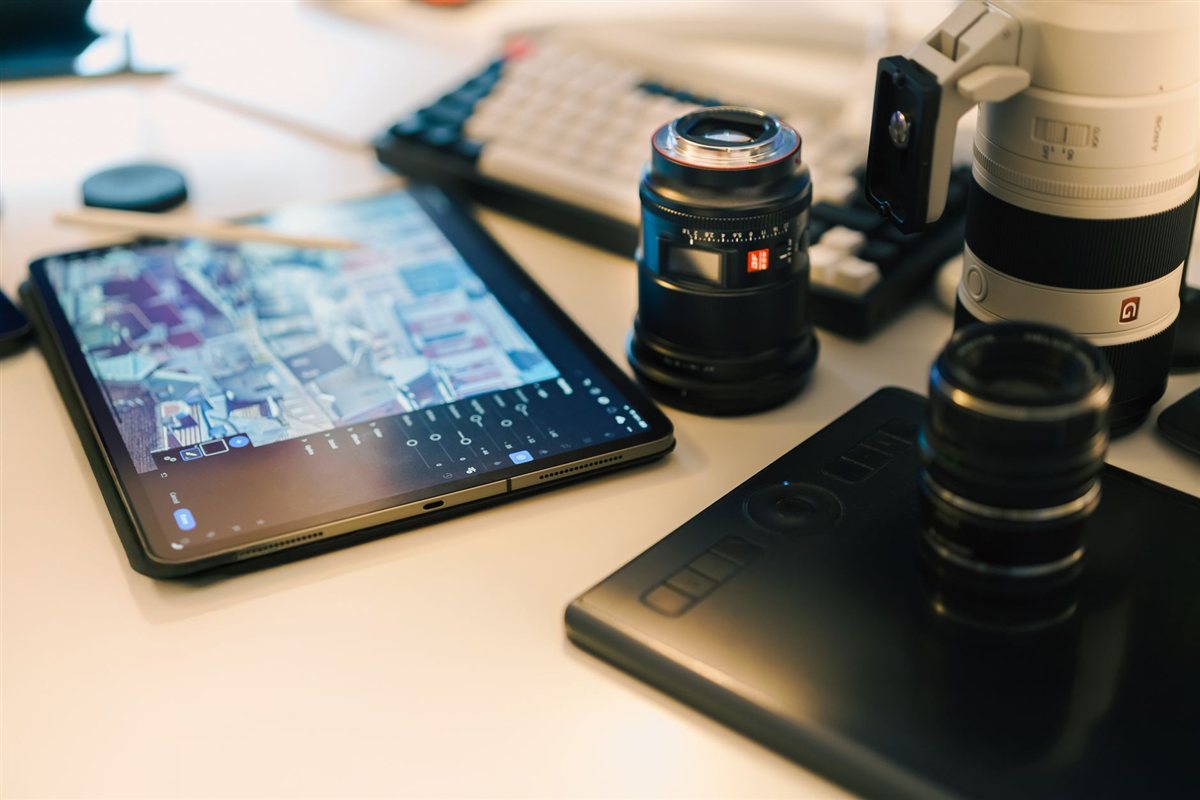
For graphic designers, display work in mockups that show it in context (a logo on a business card, a poster on a wall). For photographers, show full-resolution images that load cleanly even on slower connections. For videographers, embed a highlight reel via YouTube or Vimeo rather than hosting the video files yourself.
Use consistent image dimensions across your portfolio pieces. Inconsistent sizing makes even strong work look unpolished.
Getting found by clients in Jamaica and beyond
A portfolio website is not just a place to send people; it should also be findable by people who do not know you yet. For a Jamaican creative professional, two search scenarios matter: local clients in Kingston or the wider island, and international clients specifically looking for Jamaican creative work (diaspora brands, Jamaica-focused tourism companies, international agencies with Caribbean projects).
Include your location in your page copy naturally. “Kingston-based graphic designer” and “serving clients across Jamaica and the Caribbean” are the kinds of phrases that help Google connect you with geographically relevant searches.
For SEO basics applied to a portfolio, see our guide on how to rank on Google in Jamaica.
What clients actually look for
After the work itself, the thing clients care most about is whether hiring you will be easy or difficult. Your website should remove doubt on this. Clear pricing ranges (even approximate ones), a described process, a realistic timeline, and testimonials from previous clients all reduce the perceived risk of hiring you.
A Jamaican business owner browsing your site is asking: “Can this person deliver what I need, within my budget, without drama?” Answer that question on the site and you will convert more visitors into inquiries.
Frequently asked questions
How many portfolio pieces should a Jamaican creative professional show?
Quality over quantity. Eight to twelve strong, well-presented pieces are better than thirty mediocre ones. Show only work you are genuinely proud of and that represents the type of work you want more of. If you specialize in a niche, focus the portfolio on that niche rather than showing everything you have ever done.
Do I need a custom domain for my Jamaican creative portfolio?
Yes. A custom domain (yourname.com or yourname.com.jm) is far more professional than a platform subdomain like yourname.wixsite.com. It costs roughly USD 10 to USD 20 per year and signals that you take your business seriously. Prospective clients notice these details.
How often should I update my portfolio website?
Add new work as you complete it, especially if it represents a direction you want more of. Remove older work that no longer reflects your current skill level. A review every three to six months is sensible. Keep the work section current because returning visitors or people who check you out twice will notice if nothing has changed.
How many pieces should a Jamaican creative professional include in their portfolio website?
Ten to twenty strong pieces that represent your best and most relevant work outperform forty average pieces. Curate specifically for the type of clients you want to attract: if you want commercial clients, lead with commercial work. Visitors on portfolio sites make quick judgments, so the first three to five pieces they see carry disproportionate weight in their decision about whether to contact you.
